

What is a B2B Sourcing Platform?
To put it simply, B2B is a form of contract between two or more businesses, typically in the supply chain; contracts or transactions take place when one company buys raw materials from another for use in their manufacturing processes. Online sourcing platforms act as a central hub for businesses to find a range of suppliers and vendors.
One of the major reasons why procurement automation has become more pronounced is the ability to buy with ease and transparency that aids in faster decision-making.
Digital logistics strategy employs technologies and data analytics to lead decision-making, optimize performance, and quickly respond to varying situations. There are even more businesses adopting cloud-based inventory, artificial intelligence, machine learning, and blockchain technology.

Major Differences between Digital Procurement and Traditional Procurement.
The traditional method of acquiring goods and services was in place for a very long time, but with the rise of technology, there has been a huge shift to automated procurement.
Some of the major differences between these two methods are:
Traditional procurement is slow and paper-based, while digital procurement is faster with online platforms for sourcing, bidding, and contracts.
Traditional procurement lacks transparency due to manual records and scattered data, while digital procurement ensures clarity with centralized data and real-time tracking.
Traditional methods are error-prone, costly, and slow due to manual work, while digital methods use automation for faster, more efficient processing.
How Online Sourcing Platforms are Impacting Real-Time Supply Chains.
Whether it is supply chain visibility or order management, these platforms are changing the business’s operational methods. It has led to a drastic change in efficiency, costs, and responsiveness to market changes.
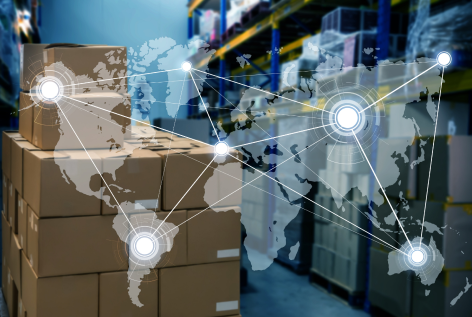
Improved Supply Chain Visibility and Transparency.
Many of these platforms are integrated with up-to-date information, allowing businesses to gain real-time visibility into inventory levels, supplier information, order progression, and shipping status.
This information helps businesses to track their supply chain from end-to-end, which in turn helps in identifying potential disruptions, managing risks, and optimizing resource allocation.
Improved visibility and transparency ensure that manufacturers can monitor suppliers’ performance, quality, and delivery times, including compliance with proper standards. This, in turn, creates a reliable and sustainable B2B sourcing that operates smoothly.
Example: If a freight forwarder wants to reduce fuel costs by up to 25%, then AI-driven route optimization will aid in that.

Streamlined Digital Procurement Strategy.
The modern procurement strategy is disrupted by the lengthy and intricate traditional procurement method. But with the advent of the internet, digital sourcing platforms have simplified the process by offering features like product discovery, price comparison, order placement, etc.
As businesses scale, automated procurement enables ordering, fulfillment, invoicing, and account management to be processed faster, reducing manual effort, minimizing errors, and shortening cycle times. Focusing on long-term value and strong relationships with strategic suppliers improves a business’s overall sourcing process.
Procurement automation also helps businesses respond quickly to changing customer demands and optimize production planning.

Effective Supplier Management Tool.
Most of the B2B sourcing systems cover various aspects of supplier management, whether it is onboarding or performance tracking. When a business is digitalizing, it is important to use tools that facilitate a smooth and efficient onboarding process for new suppliers, including registration, document collection, and proper communication.
Cloud procurement platforms emphasize workflow automation and supplier data management. With these features, you can conduct RFIs, RFPs, and auctions, which give a competitive edge to sourcing goods and services.

Faster Decision-Making, Increased Efficiency, and Cost Reduction.
As businesses adopt strategic sourcing, it enables faster decision-making. Many B2B platforms give real-time data and analytics that enable businesses to take informed decisions about procurement, inventory management, and logistics.
If there is a streamlined process in place to access information about supplier performance, market trends, and demand patterns, it enables businesses to optimize their supply chain strategies.
The B2B sourcing solutions lower costs and improve profitability because of faster order fulfillment, optimized inventory, and reduced lead times. As businesses continue to integrate digital sourcing strategies into their processes, reducing manual effort and improving decision-making, they end up saving a significant amount with an increase in efficiency.
Conclusion:
Why Data-Driven Sourcing Solutions Matter More Than Before.
It has become crucial in modern times to use real-time data and communication to enable a seamless exchange of business. These platforms allow increased flexibility to maintain a competitive edge over competitors and minimize the impact of unpredictable events.
There is improved collaboration and communication when B2B platforms enable a smooth exchange of information, and businesses have faster issue resolution. The features of centralized platforms are highly efficient for keeping track of documentation, enabling transparent transactions.

SimpliSource believes that in a highly digitalized world, B2B sourcing platforms have played a crucial role and will continue to do so in the future.